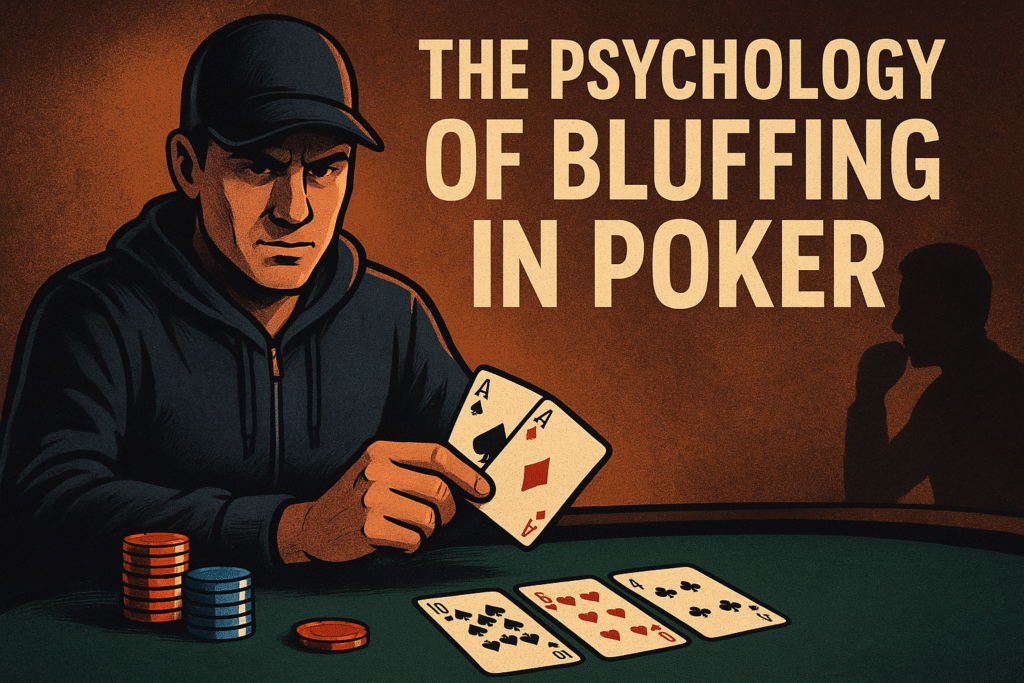
The Psychology of Bluffing in Poker
Bluffing is one of the most intriguing elements of poker. It’s not just about having the courage to bet on a weak hand—it’s about understanding human behavior, controlling your own emotions, and influencing the decisions of others. At its core, bluffing is a psychological battle, where every gesture, pause, and bet tells a story.
This article explores how bluffing works, why it’s effective, and how you can master the mental side of the game.
What Is Bluffing?
Bluffing is the act of convincing your opponents that your hand is stronger—or weaker—than it really is. The goal is to manipulate their perception and influence their actions, usually to make them fold when you don’t have the best cards.
But successful bluffing isn’t about random risk-taking. It requires an understanding of timing, table dynamics, and the psychological state of your opponents. In essence, bluffing turns poker into a game of persuasion and observation.
The Psychology Behind a Good Bluff
1. Confidence and Consistency
Confidence sells a bluff. Players who act decisively and maintain consistent behavior are more believable. Hesitation, nervous gestures, or erratic betting patterns often expose a bluff. The key is to project confidence that matches your story.
2. Manipulating Fear and Doubt
Poker is built on uncertainty, and bluffing plays directly into this. Skilled bluffers exploit their opponents’ fear of losing or making a costly mistake. Strategic bets and calm composure can amplify those doubts, prompting opponents to fold even when they have better hands.
3. Breaking Patterns
Most players have predictable tendencies—how they bet, check, or react under pressure. A powerful bluff often works by breaking these patterns at the right moment. The change forces opponents to reassess their assumptions and question their reads.
Reading Opponents: Poker Tells and Body Language
Understanding your opponents is as important as controlling yourself. In live poker, subtle cues known as “tells” reveal valuable information about a player’s hand strength or confidence level.
Common tells include:
Rapid breathing or trembling hands, often signs of nervousness
Overly talkative behavior, used to distract or mask anxiety
Sudden stillness, which can indicate excitement or a strong hand
However, experienced players may use false tells to mislead you. The best approach is to study each player’s normal behavior and look for deviations from their baseline.
Emotional Control: The Hidden Strength
A successful bluff requires not just reading others but managing your own emotions. Bluffing triggers adrenaline, and even small signs of stress—like shaky hands or uneven speech—can give you away.
To stay composed:
Maintain steady breathing before every move
Keep consistent posture and betting rhythm
Avoid reacting emotionally to wins or losses
Mastering emotional control not only strengthens your bluffing but also improves overall decision-making and endurance during long games.
When to Bluff and When Not To
Even the most skilled bluffers know that timing is everything. Bluff too often, and your credibility fades. Bluff too rarely, and you become predictable.
Here are some guiding principles:
Table Image: If you’ve shown strong hands recently, your bluffs are more believable.
Pot Size: Bluffing in larger pots can yield greater rewards, but also greater risk.
Opponent Type: Tight players tend to fold more easily, while loose players are harder to push off a hand.
Always consider context before deciding to bluff.
Bluffing in a Poker Club Setting
In a live poker club, bluffing takes on an added layer of realism. Unlike online poker, you can read facial expressions, tone, and posture. Over time, you’ll recognize patterns, spot tendencies, and build psychological profiles of regular players.
Use these strategies in your poker club:
Observe quietly before engaging in major hands
Note emotional reactions after losses or big wins
Adapt your bluffing style to the personalities at your table
Each live session provides valuable data that helps refine your overall poker psychology.
Final Thoughts
The psychology of bluffing in poker extends beyond the cards—it’s about reading people, managing emotions, and crafting believable stories under pressure. The best poker players don’t just win with strong hands; they win by mastering perception.
Developing this skill takes time, observation, and self-awareness. Start by practicing small bluffs, studying reactions, and refining your control. As you improve, you’ll discover that bluffing is less about deception and more about understanding human nature.
For a deeper dive into real-world poker psychology and live training, consider joining your local poker club and learning directly from experienced players who’ve mastered the art of the bluff.